
The Strategic Impact of Roofing on Residential Energy Efficiency
In housing construction, the “building envelope” is the nonstructural components that are in direct contact with the weather, such as the roof, siding and windows. Much like an envelope for a letter, the building and thermal envelope seals and protects the important contents within the envelope. For the discerning homeowner, understanding the relationship between roof construction and utility expenditures is essential for maintaining both comfort and property value.
The Seal (Protection): Just as an envelope protects a letter from moisture, dirt, and prying eyes, the building envelope acts as the primary shield against heat and cold transfer. If the seal of a paper envelope is compromised, the contents are at risk. Similarly, a breach in your roof’s “seal” (the shingles and underlayment) exposes your home to unconditioned air, heightening your power bills and making your home less comfortable and more susceptible to the elements.
The Enclosure (Containment): An envelope keeps the contents contained in a specific, organized space. In your home, the thermal envelope (a subset of the building envelope) is what contains your expensive, conditioned air. When the roof is poorly insulated or ventilated, it is akin to an envelope with a tear; the “content” (your heated or cooled air) escapes, requiring your HVAC system to constantly “re-write” that air at a significant cost.
1. Advanced Insulation and Thermal Resistance
Insulation acts as the primary barrier against heat transfer. Inadequate attic insulation forces HVAC systems to cycle more frequently, increasing mechanical wear and utility costs.
Specifications: Insulation effectiveness is measured by R-value. For optimal efficiency, R-values should be calibrated to your specific geographic climate.
Materials: High-performance options include spray foam, blown-in cellulose, and rigid foam boards.
Key Insight: Even a structurally sound roof cannot compensate for an under-insulated attic space.
2. Solar Reflectivity and “Cool Roof” Technology
The solar reflectance of a roofing system determines how much heat is absorbed into the structure.
Cool Roofs: Utilizing reflective shingles or specialized coatings can reduce cooling requirements by 10–20%during peak summer months.
Visual Integration: Modern reflective materials are now available in a wide palette of dark and neutral tones, allowing for high performance without compromising the architectural aesthetic of the home.
3. Material Performance Comparison
The selection of roofing material is a long-term capital investment. Each material offers distinct thermal properties:
Material | Energy Efficiency Profile | Operational Notes |
Metal | High | Exceptional reflectivity; highly durable with low maintenance requirements. |
Tile or Slate | High | High thermal mass helps stabilize internal temperatures naturally. |
Asphalt Shingles | Moderate | Standard performance; “cool” varieties are recommended for better reflectivity. |
TPO / EPDM | High | Ideal for flat or low-slope sections; utilizes reflective membranes. |
Export to Sheets
4. Ventilation and Atmospheric Control
Effective ventilation is required to regulate attic temperatures and manage moisture.
Mechanics: A balanced system of ridge, soffit, and gable vents ensures continuous airflow.
Asset Protection: Beyond energy savings, proper ventilation prevents the formation of ice dams and significantly extends the lifespan of the roofing substrate.
5. Maintenance and Asset Preservation
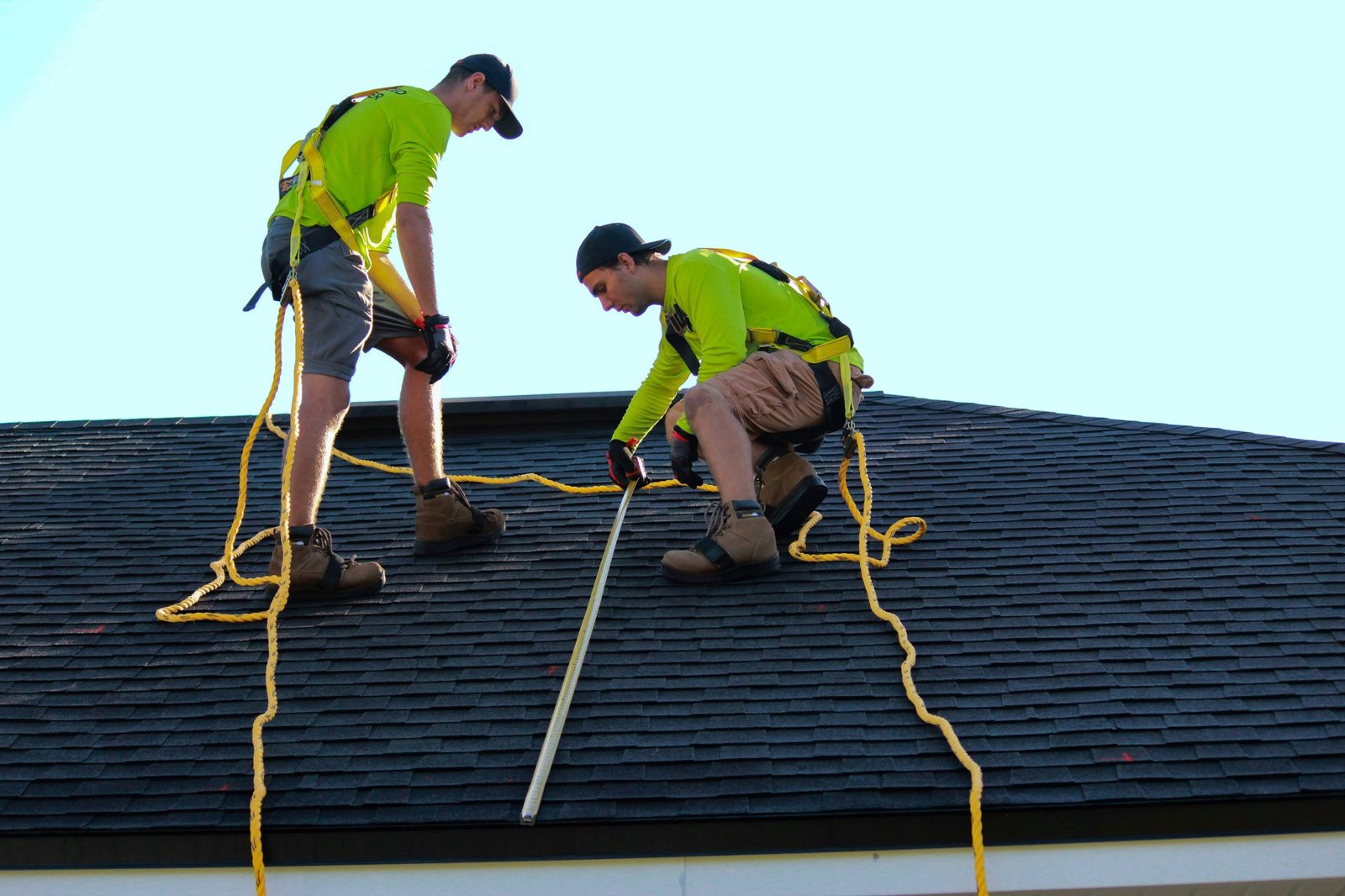
Minor compromises in the roof’s surface—such as damaged flashing or missing shingles—create “thermal leaks.” Regular professional inspections ensure that the home’s envelope remains airtight, preserving HVAC efficiency and preventing costly internal damage.
6. Capital Improvements and ROI
When considering a roof replacement or retrofit, the initial expenditure should be weighed against long-term operational savings.
Energy Audits: Professional audits can identify specific points of heat loss.
Retrofitting: Adding reflective coatings or upgrading insulation can result in a 5–30% reduction in cooling costs, providing a clear path to recouping the investment.
Conclusion
An energy-efficient roof is an investment in the longevity and operational economy of a residence. By prioritizing high-quality materials and proper maintenance, homeowners can ensure superior climate control and reduced overhead.